

WORK REQUIREMENTS FOR SNAP ARE CHANGING. HERE’S WHAT TO KNOW IN ILLINOIS.
WTTW
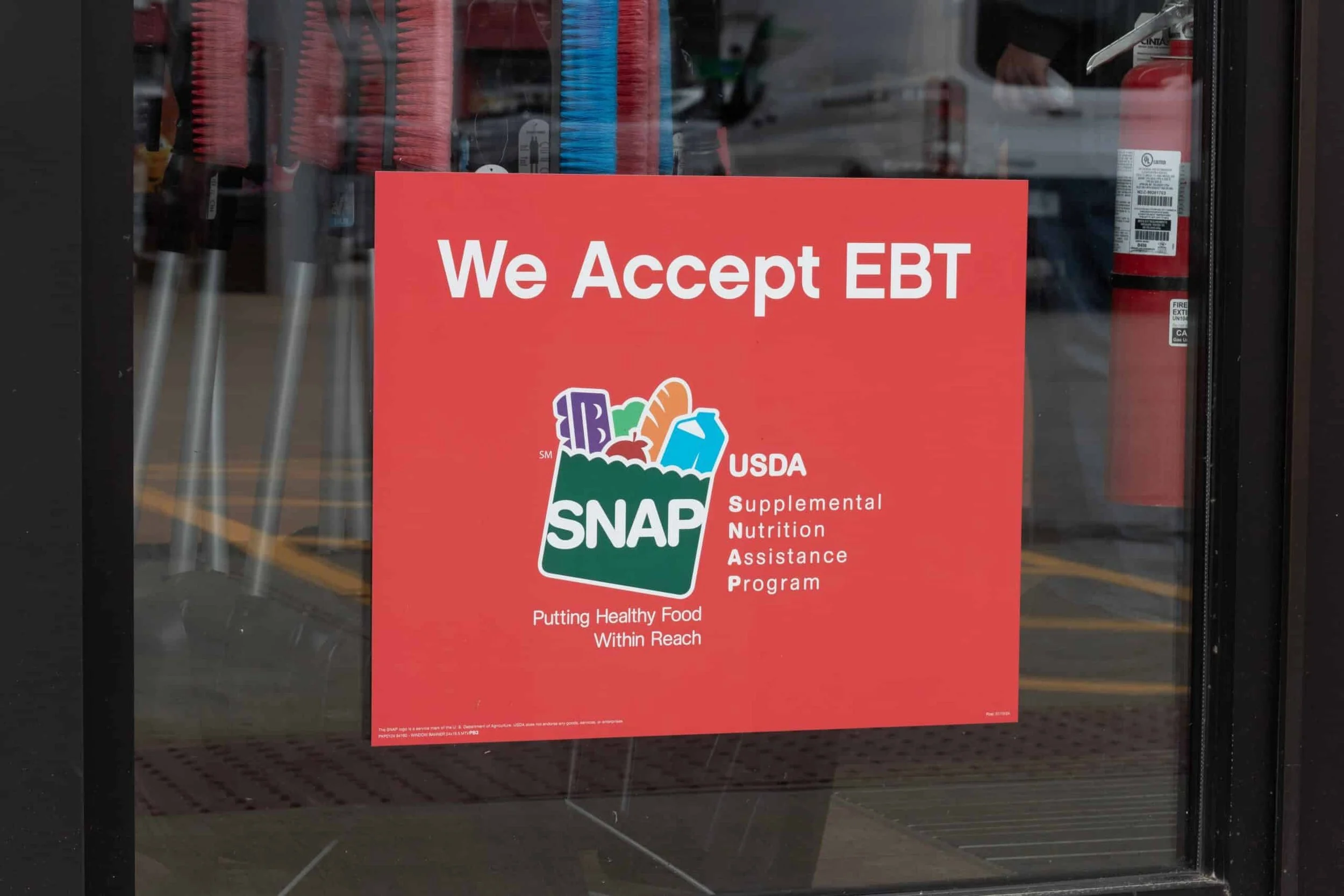
Major changes are coming to the Supplemental Nutrition Assistance Program, or SNAP, with stricter federal work requirements starting Feb. 1 as outlined in the One Big Beautiful Bill Act.
The new requirements state that people ages 18 to 64 must work or volunteer a minimum of 80 hours per month or participate in certain training or education to receive SNAP benefits.
Those who meet one of the following identifications may be exempt from the requirements:
People younger than 18 or older than 64
A parent or other member of a household that includes a child under 14
People who are medically certified as physically or mentally unable to work
People who are pregnant
Some Native Americans
A parent or other member of a household with responsibility for the care of an incapacitated person
A regular participant in a drug addiction or alcohol treatment and rehabilitation program
Many Chicagoans impacted by the new rules live in divested neighborhoods already suffering from a lack of access to nutritious food.
“There is a disproportionately high number of people who are food insecure and also who rely on the SNAP program on the West Side of Chicago, on the South Side of Chicago, and in the far south suburbs,” said Kate Maehr, CEO of the Greater Chicago Food Depository. “Hunger in this community and hunger in America is a reflection of poverty.”
The new requirements also limit the eligibility of legally present noncitizens. Those who do not meet these requirements may be limited to receiving benefits for only three months within a three-year period.
And beginning in October 2026, some of the costs of benefits will be shifted to the states.
In a statement, the Illinois Department of Human Services panned the new standards: “Trump’s budget bill is designed to deliberately prevent Americans and Illinoisans from receiving assistance through the SNAP program by implementing new requirements that burden states and individuals who rely on this 100 percent federally funded benefits resource. The next significant milestone is the implementation of new work requirements, which could impact 340,000 Illinoisans. The Illinois Department of Human Services (IDHS) is communicating with SNAP participants regarding upcoming changes to SNAP and continues to provide support as people navigate new processes and changes imposed by the Trump Administration.”