

MORE ILLINOISANS WILL GO HUNGRY IF CONGRESS FAILS TO REVERSE SNAP CUTS
OP-ED: CHICAGO SUN-TIMES
As families across America prepare to gather around the dinner table in celebration of the end-of-year holidays, millions of Supplemental Nutrition Assistance Program participants do so with the looming fear that they could soon lose access to this critical lifeline.
SNAP, formerly known as food stamps, has long stood as our country’s most effective tool against hunger. Today, that lifeline is under attack. Sweeping structural program changes that were included in July’s budget reconciliation bill leave millions of SNAP participants at risk of being kicked off the program in the coming months.
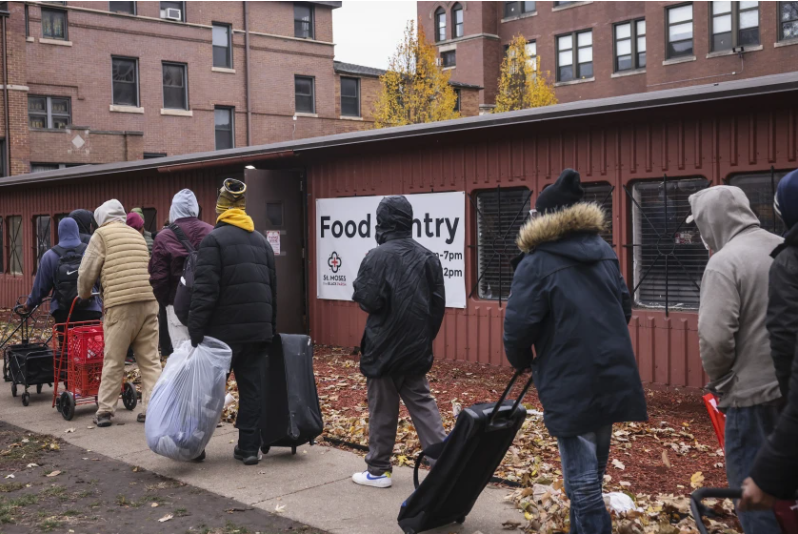
During the recent government shutdown, Illinois SNAP participants experienced immediate hunger and hardship as their benefits were abruptly halted. Our food pantries across Chicago, Cook County and 13 neighboring counties in Northern Illinois were flooded with people seeking help — many turning to us for the first time. The surge offered a sobering preview of the crisis to come.
In the coming months, able-bodied adults up to age 64, parents with children over 14, veterans and youth aging out of foster care must meet rigid work-reporting rules or face losing benefits. Research shows that work requirements do not increase employment; they simply strip basic food assistance from those who need it most. Refugees, asylum seekers and other legally present immigrants will also lose access to SNAP, reversing decades of bipartisan policy. Illinois is one of several states suing to delay implementation.
And for the first time, states will have to shoulder up to 15% of SNAP benefit costs, something the federal government has historically covered 100%. The amount states are required to pay is based on a technical program metric that looks at their rate of under- and overpayments, also known as the “payment error rate.” Illinois’ future financial obligation based on its current error rate could amount to more than $700 million a year.
Even more concerning is the stark reality that if Illinois is unable to cover its new share of the program costs, the SNAP program would be eliminated in the state altogether.